Markets & Reports

Miami has always had the ingredients of a luxury destination: warm weather, waterfront living, international culture and an unmistakable energy.
But the Miami of 2026 is something different.
Over the past several years, South Florida has undergone a remarkable transformation as business leaders, entrepreneurs, investors and ultra-high-net-worth families have increasingly made the region a permanent part of their lives. What was once viewed primarily as a second-home and vacation market has become one of America's most important centers of wealth—and its luxury real estate market has evolved alongside it.
Today, buyers searching for Miami luxury real estate can choose between sprawling waterfront estates, private islands, newly built penthouses and an expanding collection of branded residences connected to some of the world's most recognizable names.
At the very top of the market, demand has remained remarkably resilient even as the broader U.S. housing market has faced affordability pressures.
The result is a city increasingly competing not simply with other Florida destinations, but with New York, Los Angeles and other global centers of luxury real estate.
Miami Has Become a Destination for Wealth
Miami's luxury real estate story cannot be separated from the migration of wealth into South Florida.
The region has attracted executives, entrepreneurs, investors and financial firms from across the United States, particularly from traditional wealth centers in the Northeast and California.
Florida's lack of an individual state income tax is certainly part of the appeal, but taxes alone don't explain Miami's rise.
The city offers something increasingly valuable to affluent buyers: the ability to combine business, lifestyle and global connectivity in one destination.
Miami has strengthened its position as an international financial and business center while continuing to offer year-round boating, beaches, private clubs, fine dining, luxury shopping, international air connectivity and access to some of the country's most desirable waterfront communities.
For many high-net-worth buyers, Miami is no longer simply where they vacation.
It is where they live, invest, establish businesses and raise families.
That distinction has fundamentally changed the luxury housing market.
South Florida Remains an Ultra-Luxury Powerhouse
The strength of Miami becomes particularly apparent when looking at the highest end of the U.S. housing market.
South Florida remains one of America's leading destinations for homes priced at $10 million and above, alongside Manhattan and Greater Los Angeles.
This ultra-luxury segment operates differently from the conventional housing market.
Buyers at this level are often significantly less dependent on mortgage rates. Purchases may be made entirely in cash, and decisions can be influenced as much by wealth creation, liquidity events, tax planning and lifestyle preferences as by traditional housing economics.
That helps explain why the top of Miami's market can remain active even while other portions of the housing market slow.
The pool of buyers may be smaller—but their purchasing power is dramatically greater.
Waterfront Real Estate Remains Miami's Ultimate Luxury
For all the new development transforming Miami's skyline, waterfront land remains one of the market's most coveted assets.
Communities such as Indian Creek Island, Star Island, Palm Island, Hibiscus Island, La Gorce Island, North Bay Road and the Venetian Islands offer something that cannot simply be manufactured: limited waterfront land in close proximity to the heart of Miami.
For buyers, attributes such as water frontage, lot size, privacy, views and boating access can have an enormous impact on value.
A newly constructed waterfront estate with a substantial dock, wide-water views and exceptional privacy occupies an entirely different category from a similarly sized home located only a few streets away.
This scarcity is one reason Miami's most prestigious waterfront enclaves continue to attract extraordinary valuations.
At the highest level, buyers aren't simply purchasing a house.
They're acquiring a finite piece of Miami waterfront.
The Rise of Miami's Branded Residences
One of the clearest examples of Miami's evolution is the extraordinary growth of branded residential development.
Luxury hospitality brands have long been associated with residential projects, but Miami developers have pushed the concept much further.
The city's current and upcoming residences have been associated with names spanning hospitality, fashion, automotive design and fine dining, creating an entirely new category of luxury ownership.
The concept is straightforward: combine privately owned residences with distinctive architecture, highly curated interiors, extensive amenities and a level of service traditionally associated with five-star hotels.
For developers, branding creates differentiation.
For buyers, it can offer a turnkey lifestyle, recognizable design language and an established standard of service.
In Miami's increasingly competitive condominium market, that distinction matters.
Ultra-luxury buyers aren't simply comparing square footage anymore. They're comparing architecture, service, wellness facilities, private restaurants, beach access, marinas, automobile storage, privacy and the identity associated with the building itself.
Brickell Has Become More Than Miami's Financial District
Few neighborhoods demonstrate Miami's transformation better than Brickell.
Once primarily associated with offices and banking, Brickell has developed into one of the country's most dynamic urban luxury neighborhoods.
Residents can live within walking distance of offices, restaurants, hotels, shopping and nightlife while remaining minutes from Biscayne Bay.
The neighborhood's residential skyline continues to evolve with increasingly ambitious condominium developments designed for buyers who might otherwise consider Manhattan, London, Dubai or other international cities.
For executives and entrepreneurs relocating businesses to South Florida, that combination of luxury residential living and proximity to Miami's business center is particularly compelling.
Brickell increasingly represents a different version of the Miami lifestyle—less focused on the traditional beach house and more focused on sophisticated urban living.
Miami Beach Remains in a Category of Its Own
Across Biscayne Bay, Miami Beach continues to represent the more traditional image of Miami luxury.
Here, waterfront estates and exceptional condominiums combine proximity to the ocean with access to restaurants, nightlife, private clubs and some of South Florida's most recognizable neighborhoods.
Within Miami Beach itself, however, the market is highly nuanced.
A waterfront estate on North Bay Road is fundamentally different from a residence on Star Island. A luxury condominium in South Beach appeals to a different buyer than a private estate on La Gorce Island.
Understanding those distinctions is essential.
At the luxury level, "Miami" isn't one real estate market. It is a collection of highly specialized micro-markets, each with its own buyers, inventory and pricing dynamics.
The Growing Appeal of Privacy
As wealth has migrated into Miami, privacy has become increasingly valuable.
That helps explain the extraordinary attention surrounding communities such as Indian Creek Island, where extremely limited inventory, large waterfront lots and controlled access create a level of exclusivity difficult to reproduce elsewhere.
For ultra-high-net-worth individuals, privacy is no longer simply an amenity.
It can be one of the primary criteria determining where they purchase.
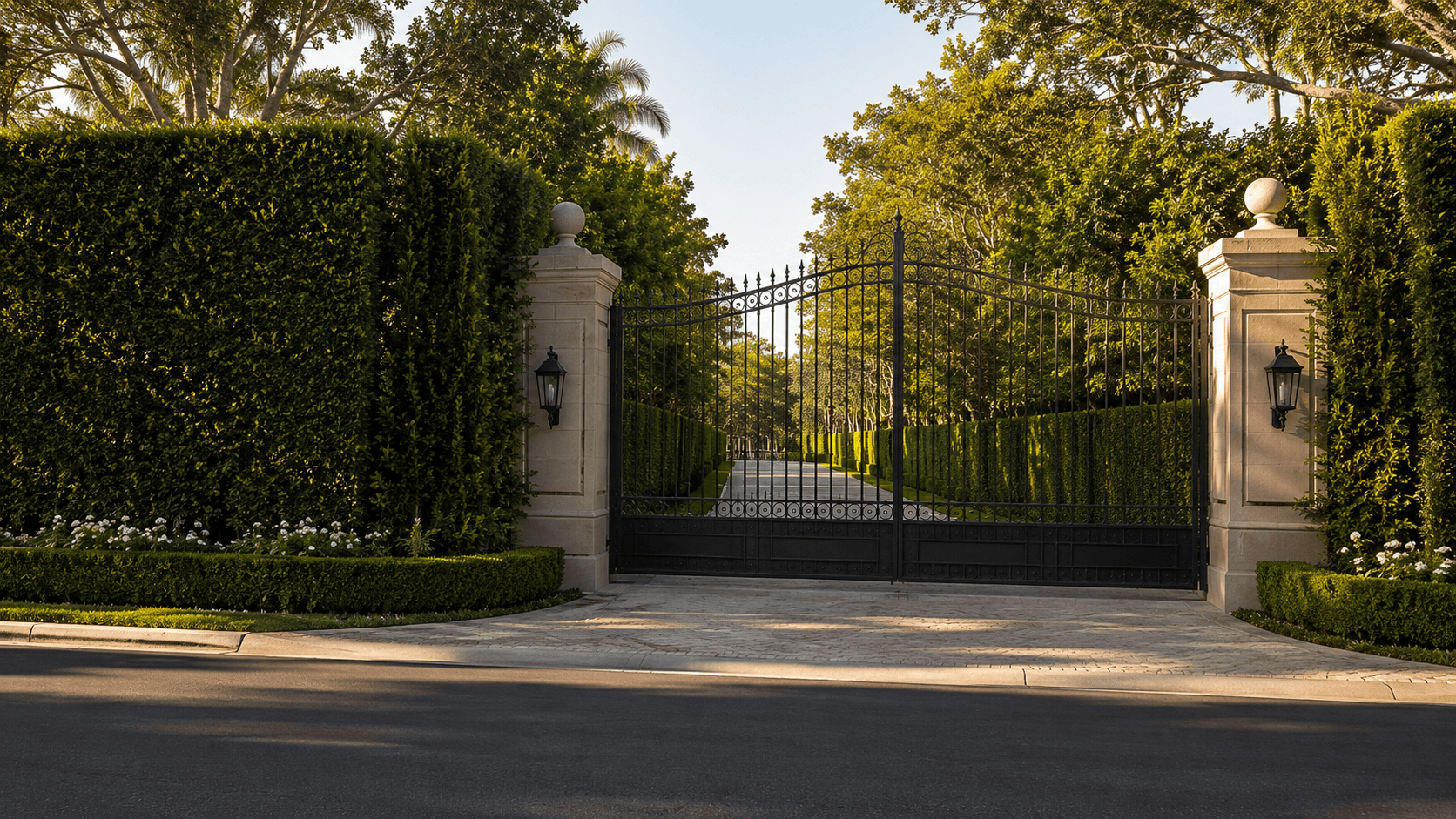
Gated entrances, private docks, expansive lots, security infrastructure and separation from heavily trafficked areas can command significant premiums.
Miami's geography gives the city an unusual advantage in this regard. Its islands and waterfront enclaves naturally create residential environments with limited access and extremely constrained supply.
New Construction Is Redefining Luxury
Another defining characteristic of Miami's luxury market is the appetite for new construction.
Today's buyers increasingly expect homes to function like private resorts.
Wellness centers, cold plunges, saunas, fitness studios, private theaters, wine rooms, expansive outdoor entertaining spaces and sophisticated smart-home technology have become increasingly common at the upper end of the market.
In condominiums, expectations can be even higher.
Residents may have access to private restaurants, beach clubs, spas, house cars, concierge teams, pools, fitness facilities and hospitality-level services without ever leaving their building.
The result is an amenities race among Miami's newest luxury developments—and one that continues to raise expectations across the broader market.
But Miami Is Not One Uniformly Booming Market
The extraordinary headlines surrounding Miami luxury real estate can obscure an important reality.
Not every property is experiencing the same level of demand.
The market has become increasingly segmented.
Exceptional waterfront homes, scarce trophy properties and best-in-class new developments can behave very differently from older condominium inventory or properties without a truly differentiated location.
Insurance costs, condominium reserves, building age, association fees and increasingly stringent structural requirements have also become more important considerations for Florida condominium buyers.
That means buyers need to look beyond the broader narrative that "Miami real estate is booming."
At the luxury level, quality matters enormously.
The strongest properties tend to possess characteristics that are difficult to replicate: exceptional waterfront positions, extraordinary views, significant acreage, privacy, architectural pedigree or best-in-class services.
Is Miami Luxury Real Estate a Good Investment?
There is no universal answer.
Luxury real estate should be evaluated property by property, and past appreciation never guarantees future performance.
But Miami possesses several structural characteristics that continue to make it attractive to high-net-worth buyers.
There is limited waterfront land. The city attracts domestic and international capital. Florida remains attractive to residents migrating from higher-tax states. Miami's business ecosystem has expanded, and its global lifestyle continues to draw buyers from around the world.
Perhaps most importantly, truly exceptional properties remain scarce.
A condominium can be replicated.
Another waterfront lot on a private island cannot.
That distinction becomes increasingly important at the highest end of the market.
What Luxury Buyers Should Look for in Miami
For buyers entering the Miami luxury real estate market in 2026, the question shouldn't simply be whether Miami will continue growing.
The more important question is which properties are positioned to remain desirable regardless of broader market conditions.
Location remains fundamental, but sophisticated buyers should also consider scarcity, waterfront orientation, construction quality, architectural significance, privacy, building financials, insurance exposure and long-term resale appeal.
For condominium buyers, the quality and financial strength of the building itself can be just as important as the residence.
For single-family buyers, lot quality and waterfront characteristics can matter as much as the structure sitting on them.
And for anyone purchasing at the highest end of the market, understanding the difference between an expensive property and a genuinely irreplaceable one is essential.
Miami's Next Chapter
Miami's transformation over the past several years has been extraordinary.
The city has evolved from a seasonal luxury destination into a place where global wealth increasingly lives, works and invests.
Its luxury housing market reflects that evolution.
Private islands are attracting some of the world's wealthiest buyers. Brickell is becoming an increasingly sophisticated urban residential center. Miami Beach continues to command extraordinary waterfront valuations. And a new generation of branded residences is redefining what condominium living can look like.
There will inevitably be market cycles, and not every luxury property will perform equally.
But the larger shift underway in Miami appears more significant than a temporary surge in home prices.
Miami is establishing itself as one of the world's major luxury real estate destinations.
And for buyers seeking a combination of wealth, lifestyle, waterfront living and global connectivity, few American cities currently offer the same proposition.
Frequently Asked Questions About Miami Luxury Real Estate
Is Miami a strong luxury real estate market in 2026?
Yes. Miami and the broader South Florida region remain among the leading ultra-luxury real estate markets in the United States, particularly for properties priced at $10 million and above. Demand at the highest end continues to be supported by wealth migration, international buyers, limited waterfront inventory and South Florida's lifestyle and tax advantages.
What are the most exclusive neighborhoods in Miami?
Some of Miami's most prestigious residential areas include Indian Creek Island, Star Island, North Bay Road, La Gorce Island, the Venetian Islands, Palm Island and Hibiscus Island. Other important luxury markets include Brickell, Coconut Grove, Coral Gables, Bal Harbour, Surfside and Sunny Isles Beach.
Why are wealthy people moving to Miami?
High-net-worth residents are attracted by a combination of Florida's tax structure, warm climate, waterfront lifestyle, expanding financial and business sectors, international connectivity and luxury housing. For many wealthy families, Miami now functions as both a business center and primary residence rather than simply a vacation destination.
What is considered ultra-luxury real estate in Miami?
There is no universal definition, but properties priced at $10 million and above are commonly used when analyzing the ultra-luxury segment nationally. Miami's highest tier extends considerably beyond that threshold, particularly for exceptional waterfront estates, penthouses and private-island properties.
Where are the most expensive homes in Miami?
Many of Miami's most valuable single-family estates are concentrated in waterfront enclaves such as Indian Creek Island, Star Island, North Bay Road and La Gorce Island. Exceptional properties in Coral Gables, Coconut Grove and other waterfront communities can also command substantial prices.
Why is waterfront property so valuable in Miami?
Miami has a finite supply of premium waterfront land, particularly properties combining significant frontage, privacy, wide-water views and direct boating access. Because these characteristics cannot easily be recreated, the best waterfront properties can command substantial premiums.
Are luxury condos still popular in Miami?
Yes, particularly within the newest ultra-luxury and branded developments. Buyers are increasingly differentiating between buildings, however, making factors such as location, architecture, service, amenities, financial health, insurance costs and developer reputation increasingly important.
What are branded residences?
Branded residences are privately owned homes associated with an established hospitality, fashion, automotive or lifestyle brand. They typically combine luxury residential ownership with distinctive design, extensive amenities and hospitality-style services.
Is Miami luxury real estate only for second-home buyers?
No. While Miami remains an important second-home market, its evolution as a financial and business center has contributed to more affluent buyers establishing primary residences in South Florida.
Should I use a local luxury real estate agent in Miami?
For high-value transactions, local expertise can be particularly valuable because Miami consists of numerous micro-markets with significant differences in waterfront access, building quality, pricing, inventory and off-market opportunities. An experienced Miami luxury real estate advisor can help buyers evaluate these differences and identify properties that fit both their lifestyle and long-term objectives.
FROM THE EDITORIAL

Lifestyle
Inside the Market for Equestrian Estates
Part luxury residence, part working farm and part private sporting retreat, the finest equestrian estates represent one of the most specialized corners of high-end real estate.
·
7 Min
Lifestyle
Why Privacy Is Becoming the Ultimate Luxury Amenity
As technology makes the world more connected and personal lives more visible, the ability to retreat into a truly private home is becoming one of the most valuable luxuries money can buy.
·
6 Min

Lifestyle
The Rise of the Branded Residence: Why Luxury Buyers Are Paying a Premium
From five-star hospitality names to fashion houses and automotive icons, branded residences are transforming luxury real estate—and redefining what affluent buyers expect from a home.
·
7 Min
THE PRESTIGE REPORT NEWSLETTER
SUBSCRIBE TO THE NEWSLETTER