Lifestyle

For generations, the world's great luxury hotels established a simple proposition: exceptional surroundings combined with exceptional service.
Now, increasingly, wealthy buyers don't simply want to visit that experience.
They want to own it.
Across Miami, New York, Dubai and many of the world's leading luxury destinations, branded residences have emerged as one of the fastest-growing segments of high-end real estate.
The concept began largely with hospitality companies attaching their names and services to private residences. Today, the category has expanded considerably. Fashion houses, automotive manufacturers and other luxury brands are entering residential real estate, creating homes designed around their identities.
A buyer can now own a residence associated with names ranging from Four Seasons and Ritz-Carlton to Porsche, Bentley and Armani.
And buyers are often willing to pay a significant premium for the privilege.
But the rise of branded residences isn't simply another exercise in luxury branding.
It reflects a fundamental change in what wealthy buyers increasingly expect from their homes.
What Is a Branded Residence?
A branded residence is a privately owned home associated with an established brand and typically developed according to standards connected to that brand.
The most established model comes from hospitality.
Companies such as Four Seasons, Ritz-Carlton, St. Regis, Mandarin Oriental and Rosewood have extended their hotel expertise into residential properties around the world.
Owners purchase their individual residence just as they would in another luxury condominium development, but the building offers a level of design, service and amenities associated with the brand.
Depending on the development, that can include:
24-hour concierge service
Valet and doorman services
Private restaurants
Housekeeping
In-residence dining
Spa and wellness facilities
Private pools
Beach clubs
Fitness centers
Chauffeur services
Property management
Security
Residents-only lounges
The result occupies an unusual space between a private home and a five-star hotel.
For many affluent buyers, that's precisely the appeal.
From Luxury Hotels to Luxury Homes
The concept of hotel-branded residences isn't new.
Luxury hospitality companies have been involved with residential real estate for decades. But what was once a relatively small niche within the property market has evolved into a global industry.
Savills' 2025–2026 Branded Residences Report identified 910 completed branded residential developments globally, with another 680 projects in the development pipeline through 2032. (savills.com)
That represents extraordinary growth for a category once concentrated around a handful of five-star hotel operators.
More importantly, the industry is expanding beyond traditional hospitality.
According to Savills, non-hotel brands now account for approximately 20% of the global branded-residence pipeline. (savills.com)
Luxury residential real estate has become a new frontier for global brands.
Miami Has Become a Capital of Branded Living
Few cities illustrate the branded-residence phenomenon better than Miami.
The city's combination of international wealth, luxury development, waterfront living and strong demand for new construction has made South Florida a natural testing ground for increasingly ambitious residential concepts.
Today, the Miami skyline is becoming a showcase for branded real estate.
Porsche Design Tower introduced automobile-inspired living to Sunny Isles Beach, famously incorporating a robotic vehicle elevator that allows residents to bring their cars directly to private sky garages.
Bentley Residences has pushed the idea further, combining the automotive brand's identity with private garages and luxury residential amenities.
Aston Martin Residences brought another legendary automotive name to the Miami waterfront.
Fashion and design brands have entered the market as well.
Armani/Casa has lent its aesthetic to luxury residential development, while Dolce & Gabbana has entered Miami's residential market through 888 Brickell.
Hospitality brands continue to expand alongside them.
The result is something larger than a collection of expensive towers.
Miami has become one of the places where developers are actively experimenting with what the next generation of luxury residential living might look like.
Why Are Wealthy Buyers Choosing Branded Residences?
At first glance, paying more for a residence because a luxury name is attached to the building might seem primarily about status.
For some buyers, brand recognition undoubtedly matters.
But the appeal extends considerably deeper.
Predictability
Buying luxury property in an unfamiliar city can be difficult.
How well will the building be managed?
Will service remain consistent?
Will common spaces be properly maintained?
What experience should the owner expect five years after purchasing?
An established luxury brand can reduce some of that uncertainty.
Buyers already familiar with a hospitality company's hotels may have a clearer expectation of the service and experience associated with its residences.
In an increasingly global luxury market, that familiarity has value.
Service Is Becoming the New Square Footage
Luxury residential development was once largely about the physical product.
Developers competed on views, ceiling heights, finishes, architecture and amenities.
Those things still matter.
But service has become increasingly important.
The ultra-wealthy often value time more than almost anything else.
A residence where staff can arrange transportation, prepare the home before arrival, stock the refrigerator, make restaurant reservations, coordinate maintenance and manage deliveries removes countless small tasks from everyday life.
That convenience is particularly valuable for buyers who own several homes.
Imagine an owner dividing the year between New York, Miami, London and Aspen.
Arriving at a professionally managed branded residence can feel more like checking into a private suite than reopening a traditional second home after months away.
The residence is ready.
The staff knows the owner.
Everything works.
That kind of frictionless ownership is increasingly becoming its own form of luxury.
Buyers Are Paying a Premium
The brand doesn't simply change the experience.
It can change the price.
Branded residences frequently command premiums compared with comparable non-branded luxury properties.
Savills reported an average global branded-residence premium of approximately 33%, although the size of the premium varies considerably depending on location, brand, development quality and local market conditions. (savills.com)
Why would someone pay significantly more?
Part of the answer lies in service.
Part lies in trust.
Part lies in design and amenities.
And part is unquestionably scarcity and identity.
A buyer isn't simply purchasing another three-bedroom luxury condominium.
They're purchasing a residence within a specific ecosystem carrying an internationally recognizable name.
That distinction can become particularly valuable in markets with large numbers of affluent international buyers.
The Fashion Houses Enter Real Estate
Perhaps the most interesting evolution of branded residences is the arrival of fashion.
Luxury fashion companies have spent decades building identities that extend far beyond clothing.
Their brands represent specific aesthetics, lifestyles and ideas about status.
Residential real estate provides an opportunity to translate that identity into physical space.
Rather than wearing the brand, owners can live inside it.
Interiors, furniture, materials, common spaces and architecture can all reflect the design language associated with the fashion house.
This represents an important shift.
The home itself becomes part of the luxury consumer's relationship with a brand.
For companies with highly loyal customers, that can be powerful.
Automotive Brands Are Building Homes
The same phenomenon is occurring within the automotive world.
Porsche, Bentley and Aston Martin have all become associated with major residential projects.
On the surface, cars and condominiums may appear unrelated.
But the customer bases overlap.
Someone willing to spend hundreds of thousands of dollars on an automobile may also value engineering, craftsmanship, design and exclusivity when purchasing a home.
Automotive-branded residences attempt to translate those characteristics into architecture.
Private vehicle elevators, sky garages, dramatic arrival experiences and automobile-inspired interiors create a connection between the residence and the brand's heritage.
For serious car collectors, the concept can be particularly appealing.
Instead of parking a prized automobile underground, the vehicle becomes part of the residential experience.
Wellness Is Becoming Central to Branded Living
Another major force shaping branded residences is wellness.
Luxury buyers increasingly expect sophisticated fitness and recovery facilities inside their buildings.
A modern branded residence might include:
Spa treatment rooms
Saunas and steam rooms
Cold plunges
Private training studios
Pilates and yoga rooms
Meditation spaces
Nutrition services
Indoor and outdoor pools
Beauty and salon services
Advanced air and water filtration
Sotheby's International Realty identified longevity and wellness as major forces influencing luxury housing in 2026, reflecting a broader movement toward residences designed to support health rather than simply display wealth. (press.sothebysrealty.com)
Branded residences are particularly well positioned to capitalize on this trend because hospitality companies already have extensive experience operating spas, fitness centers and wellness programs.
The Perfect Product for the Global Homeowner
The rise of branded residences also reflects how the wealthy increasingly live.
High-net-worth individuals may maintain residences in several cities.
A primary home might be in New York.
Winter is spent in Miami.
Summer means the Hamptons.
Business regularly brings them to London or Dubai.
A ski residence waits in Aspen.
For these buyers, managing multiple large properties can become a burden.
Branded residences offer an alternative.
The owner can lock the door, leave for six months and know that the residence remains professionally managed.
When they return, the experience can be nearly seamless.
This “lock-and-leave” lifestyle has become particularly attractive in global wealth centers and second-home destinations.
Developers Benefit Too
Buyers aren't the only ones attracted to branded residences.
Developers have strong incentives to pursue them.
Luxury development is increasingly competitive.
In cities filled with extraordinary new buildings, marble finishes and infinity pools are no longer enough to guarantee differentiation.
A recognizable brand can immediately establish a project's identity.
It can also provide international marketing reach and access to an existing customer base.
A Four Seasons customer in London may already understand the Four Seasons service model when considering a residence in Miami.
A Bentley owner may be naturally curious about a Bentley-branded condominium.
That recognition can help a development stand apart before construction is even complete.
The Risks Behind the Brand
A luxury name does not automatically make a property a good investment.
Buyers still need to evaluate branded residences with the same discipline they would apply to any major real estate purchase.
Several factors deserve particular attention.
Carrying Costs
The extensive services associated with branded residences aren't free.
Staff, spas, restaurants, valet services, security and elaborate common areas can contribute to substantial association or service fees.
Brand Agreements
Buyers should understand the relationship between the brand, developer and building.
How long does the branding agreement last?
What happens if the brand leaves?
Who actually manages the property?
Resale
A recognizable brand may help distinguish a residence, but future resale still depends on location, supply, building quality, market conditions and buyer demand.
Oversupply
As branded residences become more common, exclusivity itself can become diluted.
A city with two exceptional branded developments is different from a city with dozens competing for the same buyers.
The strongest projects will likely be those where the brand adds genuine value rather than simply appearing on the entrance.
Hospitality Brands vs. Lifestyle Brands
Not all branded residences offer the same proposition.
A hospitality brand such as Four Seasons or Ritz-Carlton primarily brings service and operational expertise.
A fashion brand may bring design identity and aesthetic recognition.
An automotive brand may emphasize engineering, exclusivity and experiences built around car ownership.
These distinctions matter.
The best branded residences aren't simply buildings carrying famous logos.
The brand should influence the experience of living there.
Otherwise, buyers may eventually question what premium they are actually paying for.
Are Branded Residences a Good Investment?
Potentially—but the brand should be viewed as one component of the investment thesis rather than the entire thesis.
A branded residence still needs the fundamentals of exceptional real estate.
Location.
Scarcity.
Views.
Architecture.
Quality.
Management.
Demand.
A famous brand cannot permanently compensate for a poor location or oversupplied market.
But when an exceptional brand is paired with exceptional real estate, the combination can be powerful.
The strongest projects offer something competitors struggle to reproduce: a distinctive residential experience backed by an internationally recognized identity.
For affluent buyers who value convenience and personal use alongside potential appreciation, that proposition can be particularly compelling.
From Owning Luxury to Living the Brand
The rise of branded residences represents something larger happening throughout the luxury economy.
Luxury brands once sold products.
Then they sold experiences.
Now they are increasingly selling environments.
A hotel stay lasts several nights.
A car may be driven for several years.
But a residence becomes part of someone's everyday life.
That makes branded real estate one of the deepest relationships a luxury company can establish with its customers.
For buyers, the attraction is equally clear.
The residence offers architecture, amenities, service and identity wrapped into a single product.
The Future of Branded Residences
The category is still expanding.
As hundreds of new developments move through the global pipeline, competition will likely push brands and developers toward increasingly specialized concepts.
Expect wellness to become more sophisticated.
Private clubs may become more important.
Technology will become less visible.
Services will become more personalized.
And brands from industries that have never traditionally participated in residential development may enter the market.
But expansion will also raise the standard.
Simply attaching a luxury name to a condominium tower will not be enough.
The developments that endure will be those where the brand meaningfully improves the architecture, service and ownership experience.
Because ultimately, wealthy buyers aren't paying a premium for a logo.
They're paying for what that logo promises.
And as luxury real estate becomes increasingly focused on service, convenience and experience, branded residences may be uniquely positioned for the way the world's wealthy want to live next.
Frequently Asked Questions About Branded Residences
What is a branded residence?
A branded residence is a privately owned home associated with an established luxury brand. The brand may come from hospitality, fashion, automotive or another luxury sector and typically influences the property's design, services, amenities or management.
Why are branded residences becoming so popular?
Branded residences combine private homeownership with many of the services associated with luxury hotels. They are particularly attractive to affluent buyers who own multiple homes and value professional management, security, convenience and predictable service.
Do branded residences cost more?
Typically, yes. Savills reported that branded residences commanded an average global premium of approximately 33%compared with comparable non-branded luxury properties, although premiums vary substantially between developments and markets.
What brands have branded residences?
The market includes hospitality brands such as Four Seasons, Ritz-Carlton, St. Regis, Mandarin Oriental and Rosewood, along with non-hotel luxury names from the fashion and automotive industries, including Porsche, Bentley, Aston Martin and Armani.
Where are branded residences most popular?
Branded residences can be found across major luxury markets and resort destinations worldwide. Miami and South Florida have become particularly prominent U.S. markets, while Dubai has emerged as one of the world's largest centers for branded residential development.
Why does Miami have so many branded residences?
Miami combines substantial international demand, wealth migration, luxury tourism, waterfront development and a strong preference for new construction. These characteristics have made the city particularly attractive to developers and global luxury brands.
Are branded residences the same as hotel residences?
Not always. Hotel residences are typically associated with a hospitality company and may form part of or sit alongside a hotel. The broader branded-residence category now includes standalone developments associated with fashion, automotive and other luxury lifestyle brands.
Can you permanently live in a branded residence?
Generally, yes. Branded residences are privately owned homes and many are used as primary residences. Others are purchased as second, third or seasonal homes, depending on the project and local ownership rules.
Are branded residences good investments?
They can be, but buyers should evaluate the underlying real estate rather than relying solely on the brand. Location, purchase price, supply, carrying costs, management, views, architecture and future buyer demand remain fundamental to long-term value.
What happens if a brand leaves a branded residence?
The answer depends on the individual development and its contractual structure. Prospective buyers should understand the duration and terms of the branding and management agreements before purchasing, including what could happen if the relationship between the property and brand ends.
What is the future of branded residences?
The sector is expected to continue expanding significantly. Savills identified hundreds of projects in the global development pipeline through 2032, with non-hotel brands representing a growing share of future projects.
FROM THE EDITORIAL

Lifestyle
Inside the Market for Equestrian Estates
Part luxury residence, part working farm and part private sporting retreat, the finest equestrian estates represent one of the most specialized corners of high-end real estate.
·
7 Min
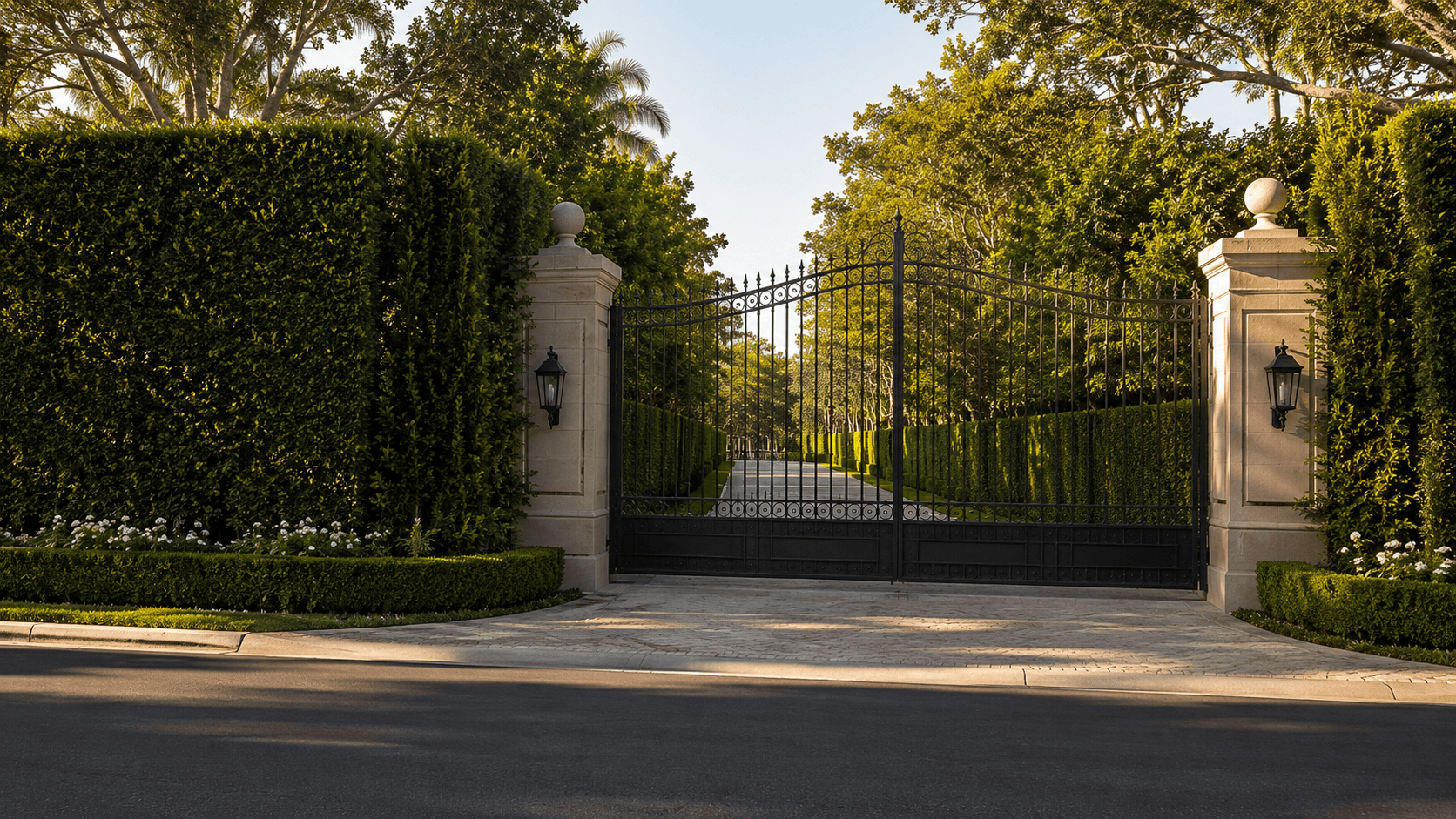
Lifestyle
Why Privacy Is Becoming the Ultimate Luxury Amenity
As technology makes the world more connected and personal lives more visible, the ability to retreat into a truly private home is becoming one of the most valuable luxuries money can buy.
·
6 Min

Investments
Where the Wealthy Are Finding the Best Real Estate Investments in 2026
From scarce waterfront estates and fast-growing luxury markets to multifamily housing and the infrastructure powering artificial intelligence, today’s most compelling real estate opportunities extend far beyond the traditional trophy home.
·
6 Min
THE PRESTIGE REPORT NEWSLETTER
SUBSCRIBE TO THE NEWSLETTER